

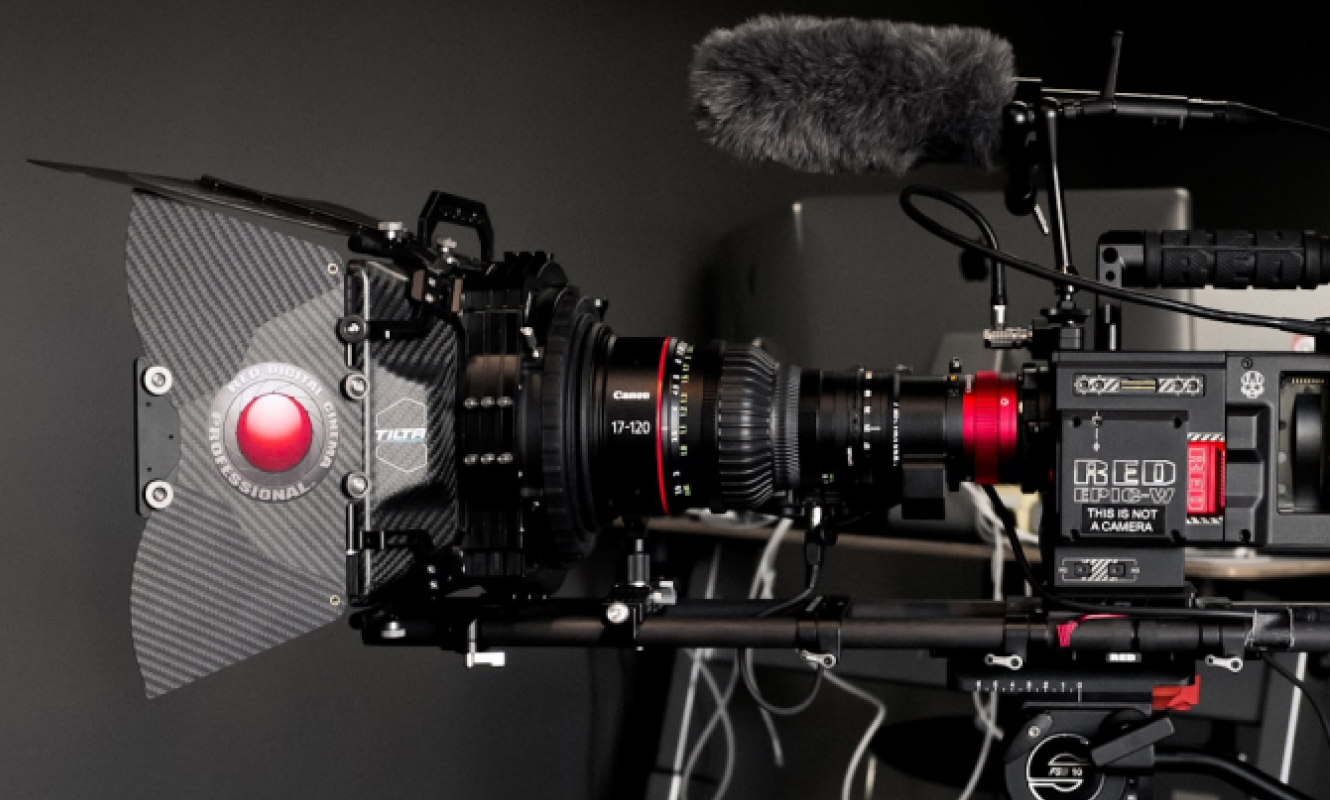
Cinematography is one of the most crucial elements of filmmaking, combining art and technology to create visually compelling stories. It involves the use of camera techniques, lighting, framing, and movement to evoke emotions and immerse audiences in the narrative. Whether you are an aspiring filmmaker, a student of visual arts, or simply a cinema enthusiast, understanding cinematography can deepen your appreciation of films and enhance your storytelling skills.
What is Cinematography?Cinematography is the process of capturing moving images on film or digital media. It encompasses everything from camera angles and lighting to lens choices and composition. A cinematographer, also known as the Director of Photography (DOP), collaborates closely with the director to bring the script to life visually.
Key Elements of Cinematography1. Camera Angles and MovementThe way a shot is framed and the movement of the camera greatly influence the storytelling. Some commonly used angles include:
Eye Level: Creates a neutral perspective, making the audience feel like an observer.
Low Angle: Makes the subject appear powerful or intimidating.
High Angle: Diminishes the subject’s presence, making them seem vulnerable.
Over-the-Shoulder: Provides a character’s perspective, often used in conversations.
Camera movements such as pan, tilt, dolly, tracking, and handheld shots add dynamism to the visuals and can influence the audience’s perception of a scene.
2. Lighting TechniquesLighting sets the mood and enhances the visual depth of a film. Different types of lighting include:
Three-Point Lighting: A combination of key, fill, and backlight to create balanced illumination.
High-Key Lighting: Bright and even lighting, often used in comedies and happy scenes.
Low-Key Lighting: Creates strong shadows and contrast, commonly used in thrillers and horror films.
Natural Lighting: Uses available light sources for a realistic feel.
3. Composition and FramingComposition refers to how elements are arranged within the frame. Some essential principles include:
Rule of Thirds: Dividing the frame into a 3x3 grid to place key elements at intersections.
Leading Lines: Using natural lines to direct the viewer’s eye towards a subject.
Depth of Field: Controlling focus to highlight important details or blur the background.
Symmetry and Balance: Creating visual harmony by aligning elements in a structured way.
4. Lens Choice and Depth of FieldThe type of lens used can drastically alter the perception of a scene:
Wide-Angle Lens: Captures more of the scene, making it ideal for landscapes and establishing shots.
Telephoto Lens: Compresses space, useful for isolating subjects and creating a cinematic feel.
Prime vs. Zoom Lens: Prime lenses offer sharper images, while zoom lenses provide flexibility in framing.
Depth of field (DOF) plays a crucial role in directing attention. A shallow DOF focuses on a single subject, while a deep DOF keeps the entire scene in focus.
.jpg)
Exploring Cinematography Services and choose the best for you
14 Feb 2025
 (1).jpg)
Let's know different types of editing, and how can they help build your brand.
12 Feb 2025

Let's understand why video content is important and what is our USP.
12 Feb 2025

© 2024 Make My Vid. All rights reserved.